From tracking to action: where logistics technology creates value
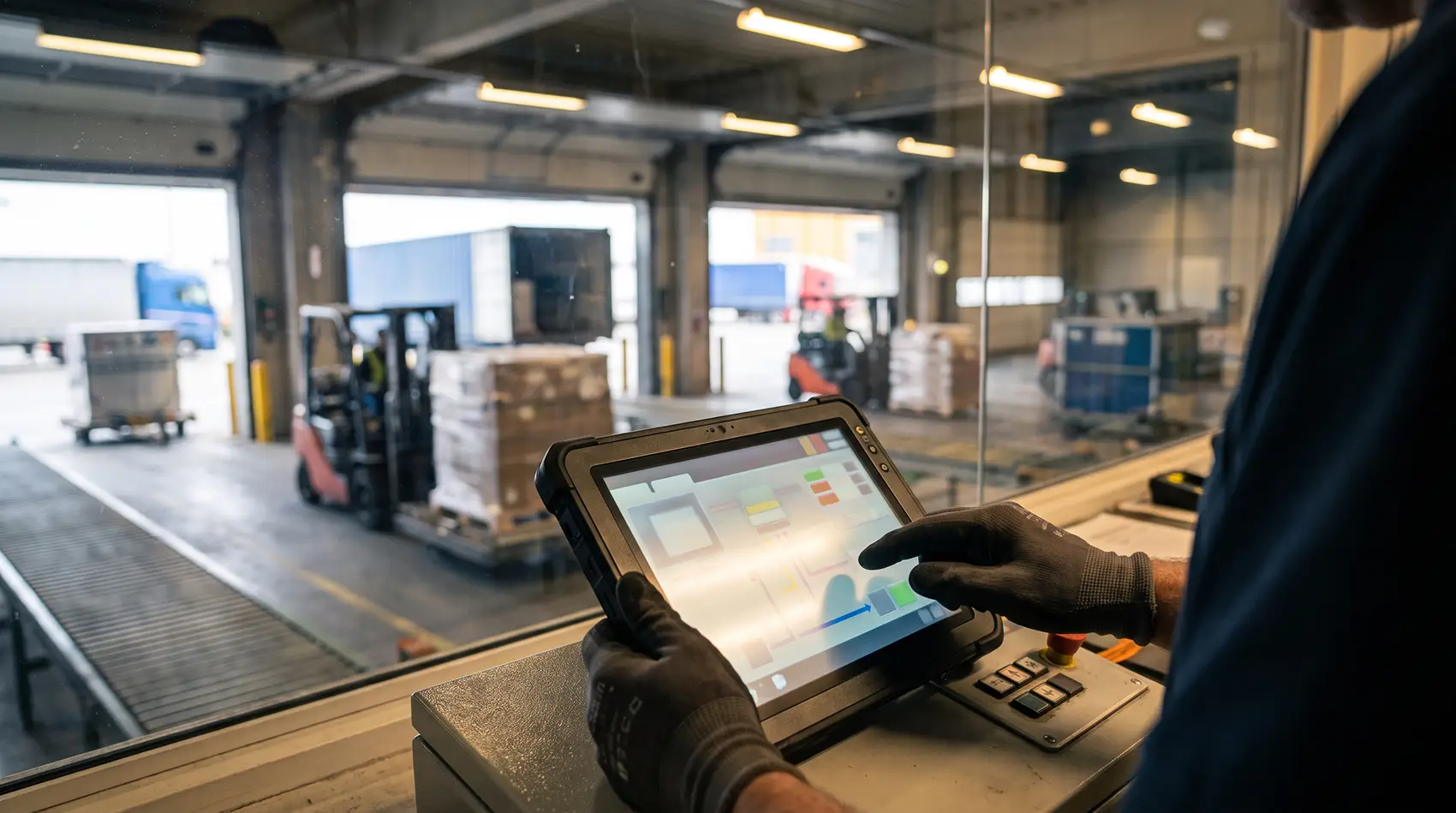
Technology has changed what logistics teams can see, but visibility by itself is not the end goal. The most useful systems do more than show where freight is located at a given moment. They help teams understand what needs attention, who should respond and how quickly the next decision has to be made.
Visibility only matters when teams can act
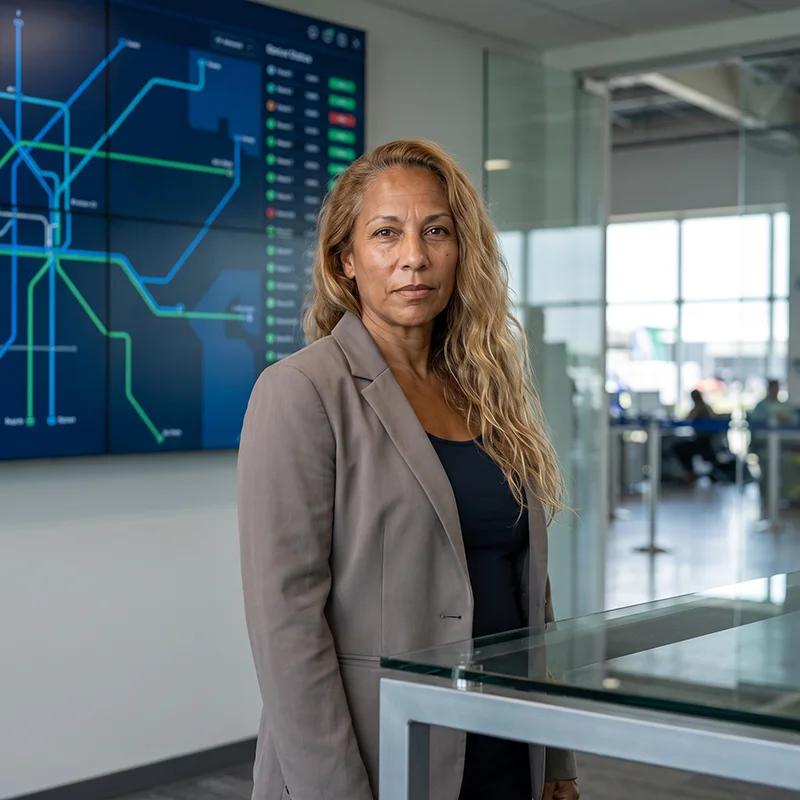
Many logistics environments still rely on information spread across carrier portals, spreadsheets, email threads and local operating systems. Each tool may contain useful data, but fragmented information slows coordination because teams spend time rebuilding the situation before they can act. The strongest technology layers reduce that friction by bringing milestones, exceptions and responsibilities into one operational view.
Exceptions need context and ownership
This matters most when a shipment moves away from plan. A delayed departure, missed terminal window or capacity change can affect several later stages of the route. When systems connect those events with the people responsible for the next handoff, teams can respond earlier instead of waiting for a disruption to become visible downstream.
Automation should support judgment
Automation also has an important role, but not every decision should be automated. Repetitive updates, status checks and standard exception workflows can often be handled digitally, while complex rerouting or customer decisions still benefit from human judgment. The objective is to remove unnecessary manual work so that operational teams can focus on the situations where experience matters most.
For Rovyn, useful logistics technology is therefore measured by what it enables operationally. Better data should create faster decisions, clearer ownership and more consistent communication across the route. The value is not in adding another dashboard, but in turning information into coordinated movement.
Tell us what needs to move, where it needs to go and when it needs to arrive. We’ll help map the right route.
