What resilient supply chains do differently

Resilience in logistics is often discussed in terms of having backup routes or additional capacity. Those elements matter, but resilient supply chains are defined just as much by how quickly teams can understand a problem and coordinate a response. Flexibility only creates value when the network can recognize where it is needed.
Resilience starts with connected visibility
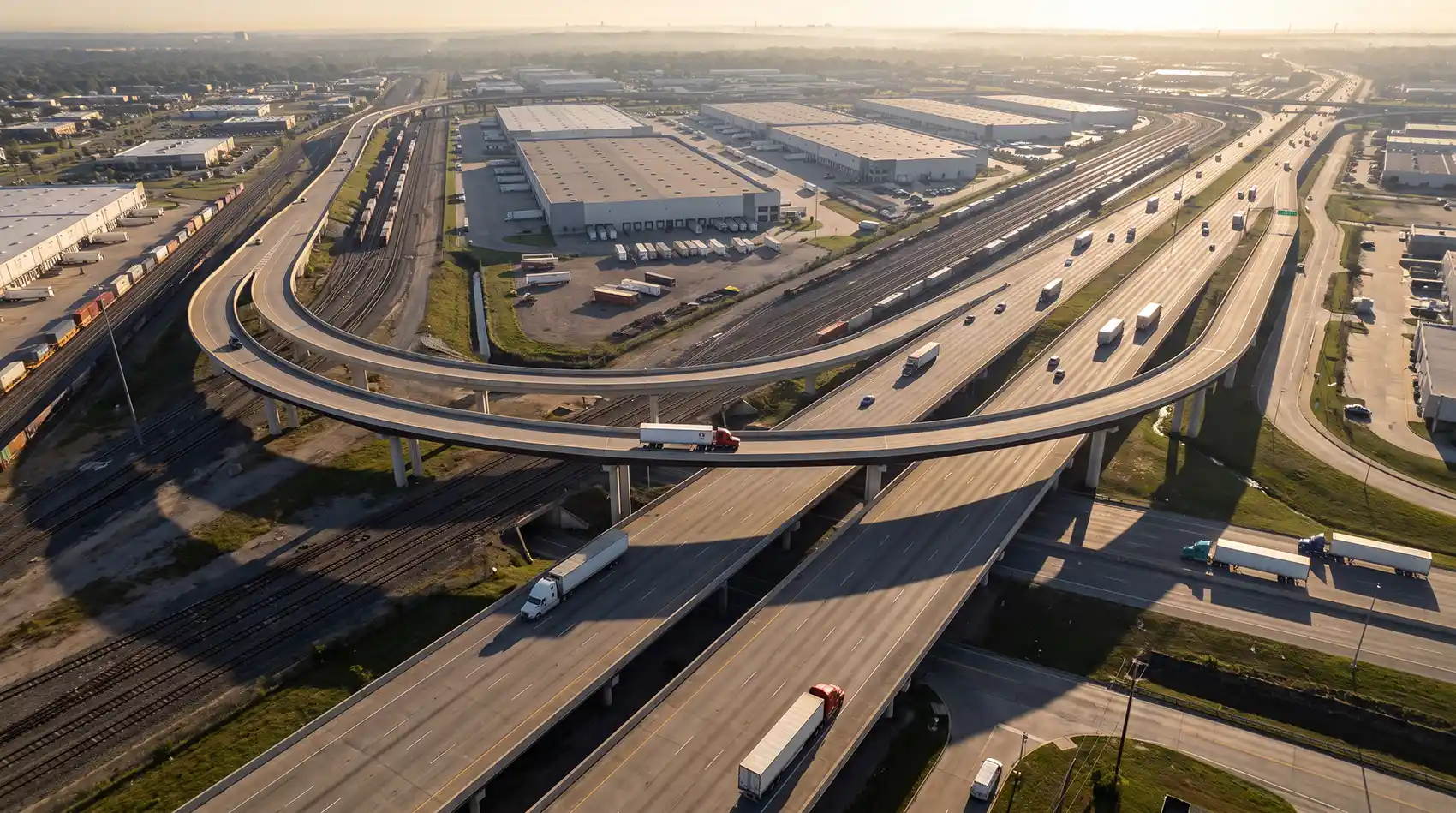
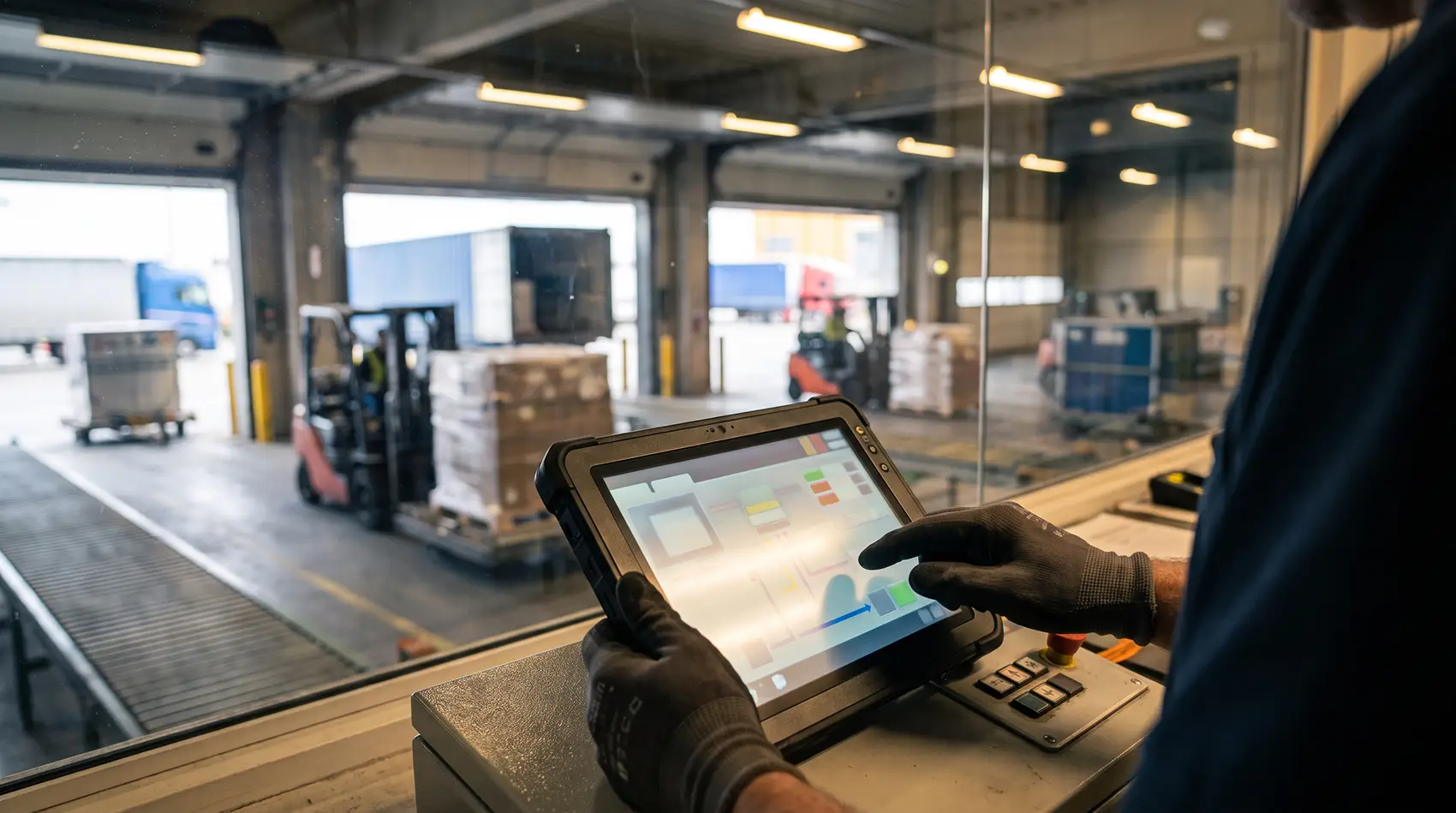
The first difference is visibility across the entire route. When each transport mode or partner operates as an isolated stage, disruptions can remain hidden until they affect the next handoff. Resilient networks connect milestones and operational information so that teams can identify risk earlier and understand how one change may affect the rest of the journey.
Clear ownership speeds up the response
The second difference is clear ownership. Complex supply chains involve many companies, systems and local teams, which can make responsibility unclear when something moves away from plan. Strong operating models define who coordinates the response, who communicates with the customer and who has the authority to make practical routing or capacity decisions.
Options need to exist before disruption
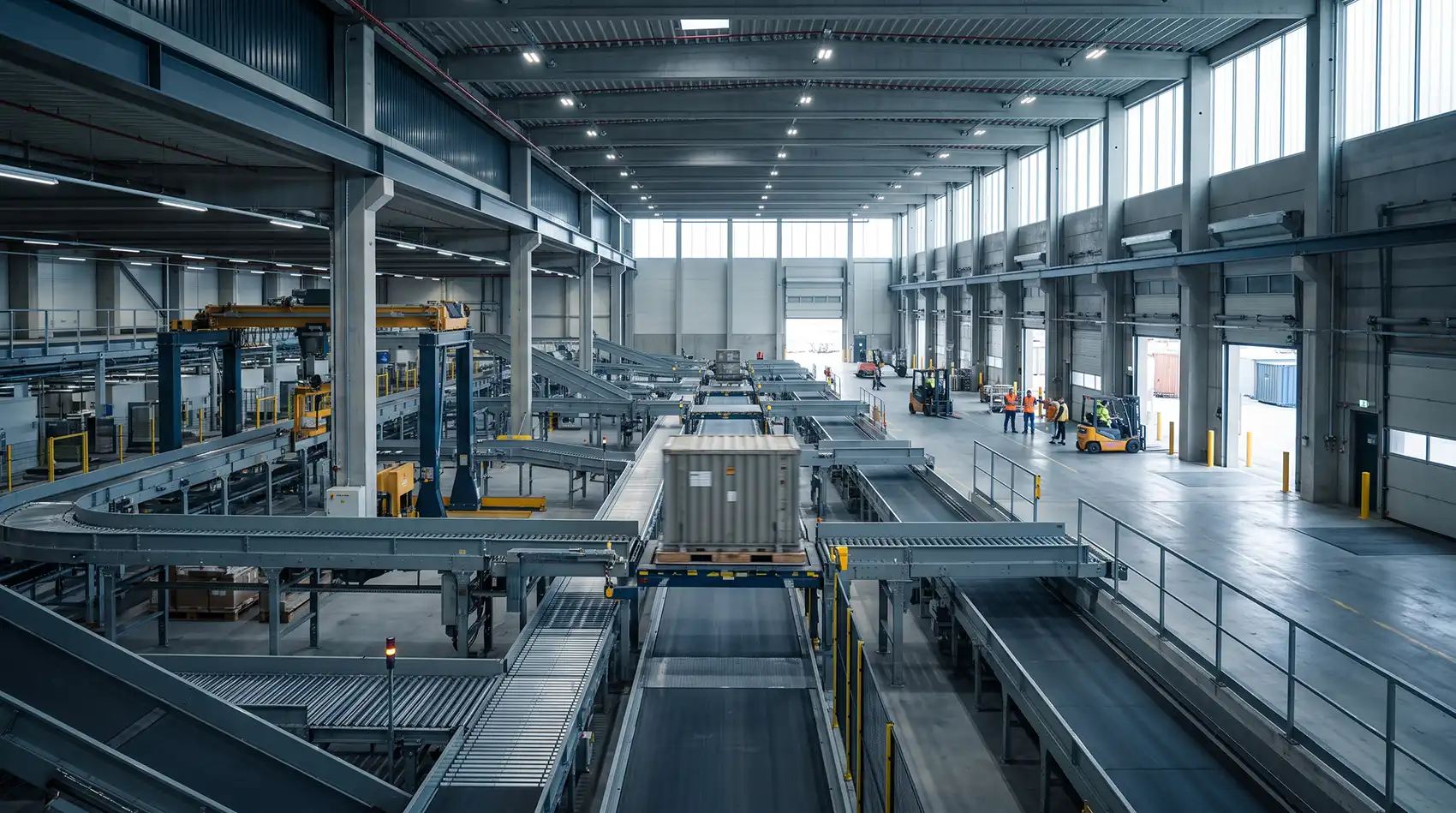
The third difference is the ability to adapt without rebuilding the entire process. A resilient network should be able to shift a shipment between routes, modes or facilities while maintaining visibility and control. That requires relationships, capacity options and operational processes that are already connected before a disruption occurs.
Resilience is therefore less about predicting every possible problem and more about creating a network that can respond intelligently when conditions change. The objective is not to eliminate uncertainty, because global logistics will always contain variables outside any single company’s control. The objective is to reduce the time between disruption, understanding and action.
For Rovyn, that means designing logistics around connected information, clear accountability and multiple practical options. Those principles make the network more stable during normal operations and much more useful when the original plan no longer works.

Tell us what needs to move, where it needs to go and when it needs to arrive. We’ll help map the right route.
