Why route design matters as much as transport capacity
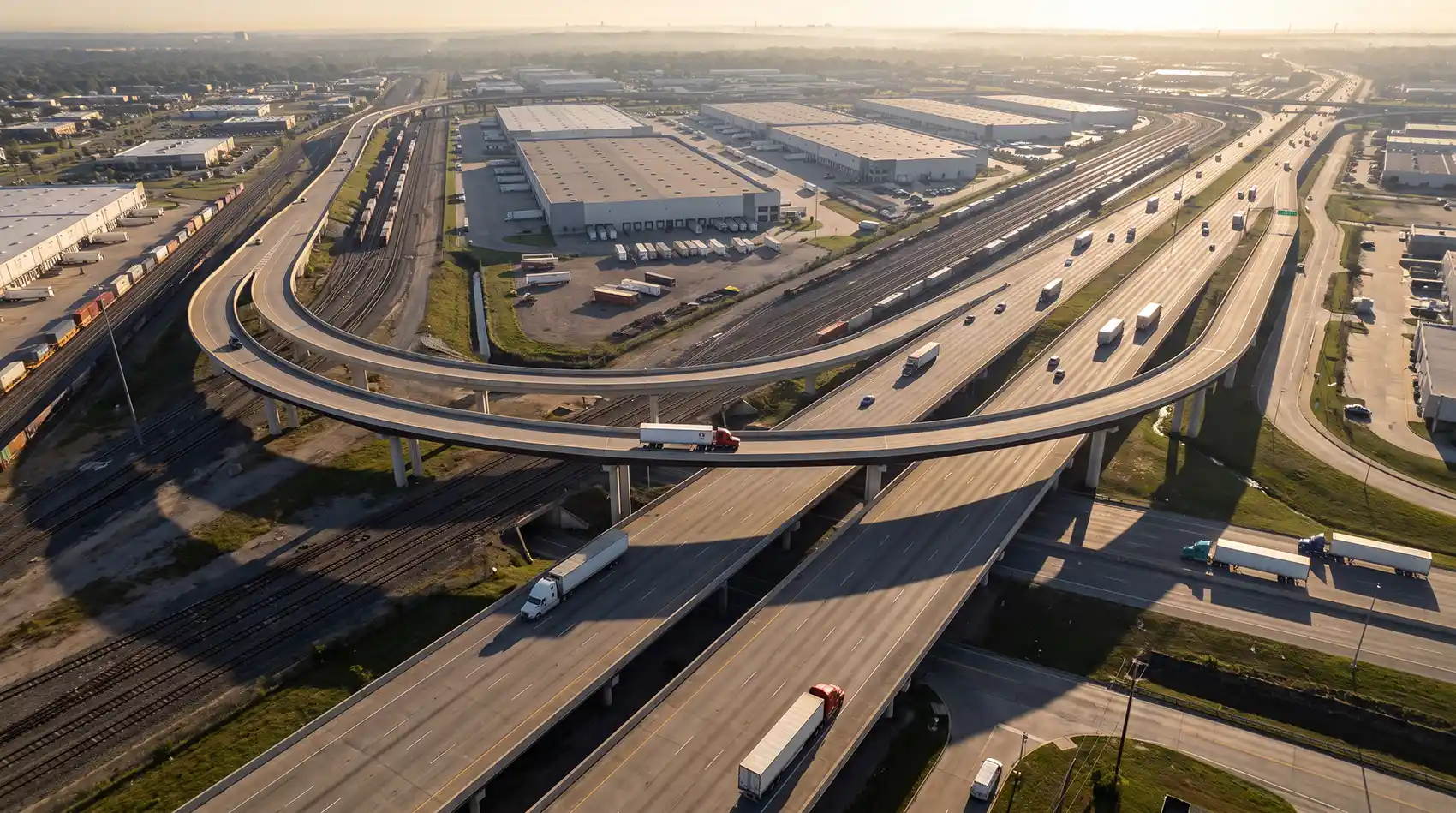
When logistics performance comes under pressure, the first response is often to look for more capacity. Additional trucks, warehouse space or transport slots can solve immediate constraints, but capacity alone does not make a network efficient. The design of the route determines how well every available resource can actually be used.
Route design shapes how capacity performs
Good route engineering starts with the handoffs between modes, facilities and operating teams. A connection that looks efficient on a map may create unnecessary waiting time if schedules, cut-off times or handling requirements do not align. Small design decisions made before a shipment begins can therefore have a larger impact than expensive interventions later in the journey.
Optimize the network, not individual legs
The strongest networks also avoid optimizing each leg in isolation. A faster first leg is not useful if it creates congestion at the next terminal, and the cheapest carrier option may create additional risk if there is no practical alternative when conditions change. Route design works best when cost, reliability, lead time and recovery options are considered as one connected system.
Build recovery options into the route
Engineering resilience into the route means creating options before they are urgently needed. That may involve alternative gateways, flexible warehouse capacity or transport partners that can support different modes and schedules. These options do not need to be used every day, but they give operating teams room to adapt without losing visibility or control.
For Rovyn, network engineering is therefore not a separate technical exercise. It is part of how freight is made more predictable from the beginning. Better routes reduce avoidable handoffs, make capacity more useful and give teams clearer choices when the original plan needs to change.

Tell us what needs to move, where it needs to go and when it needs to arrive. We’ll help map the right route.
