Inside the next generation of freight hubs
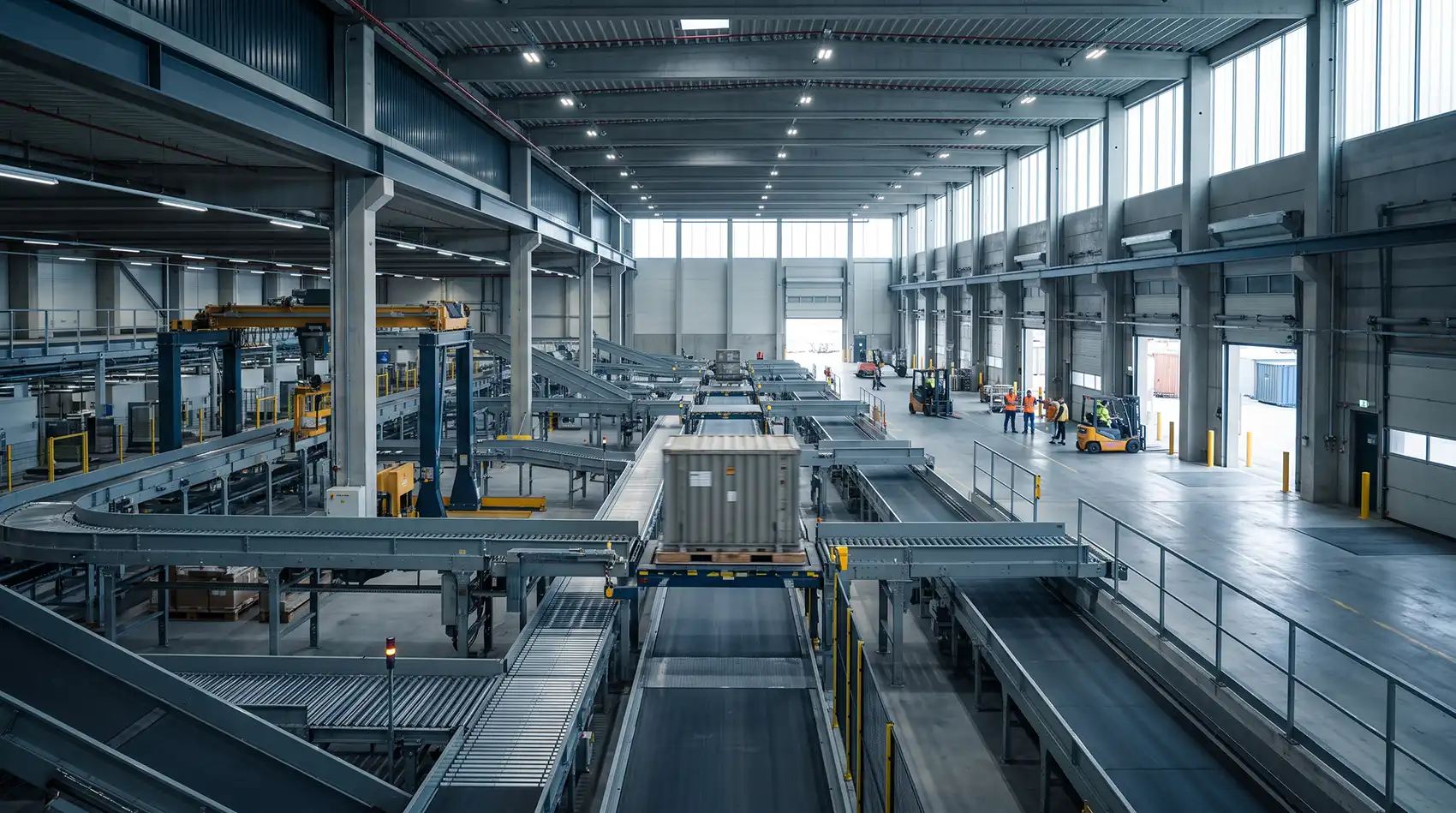
Freight hubs are changing from simple transfer points into highly connected operating environments. The traditional role of a terminal was to move cargo from one transport mode to another as efficiently as possible. Today, the most advanced hubs are also becoming coordination points for data, capacity, planning and real-time decision-making.
Freight hubs are becoming coordination points
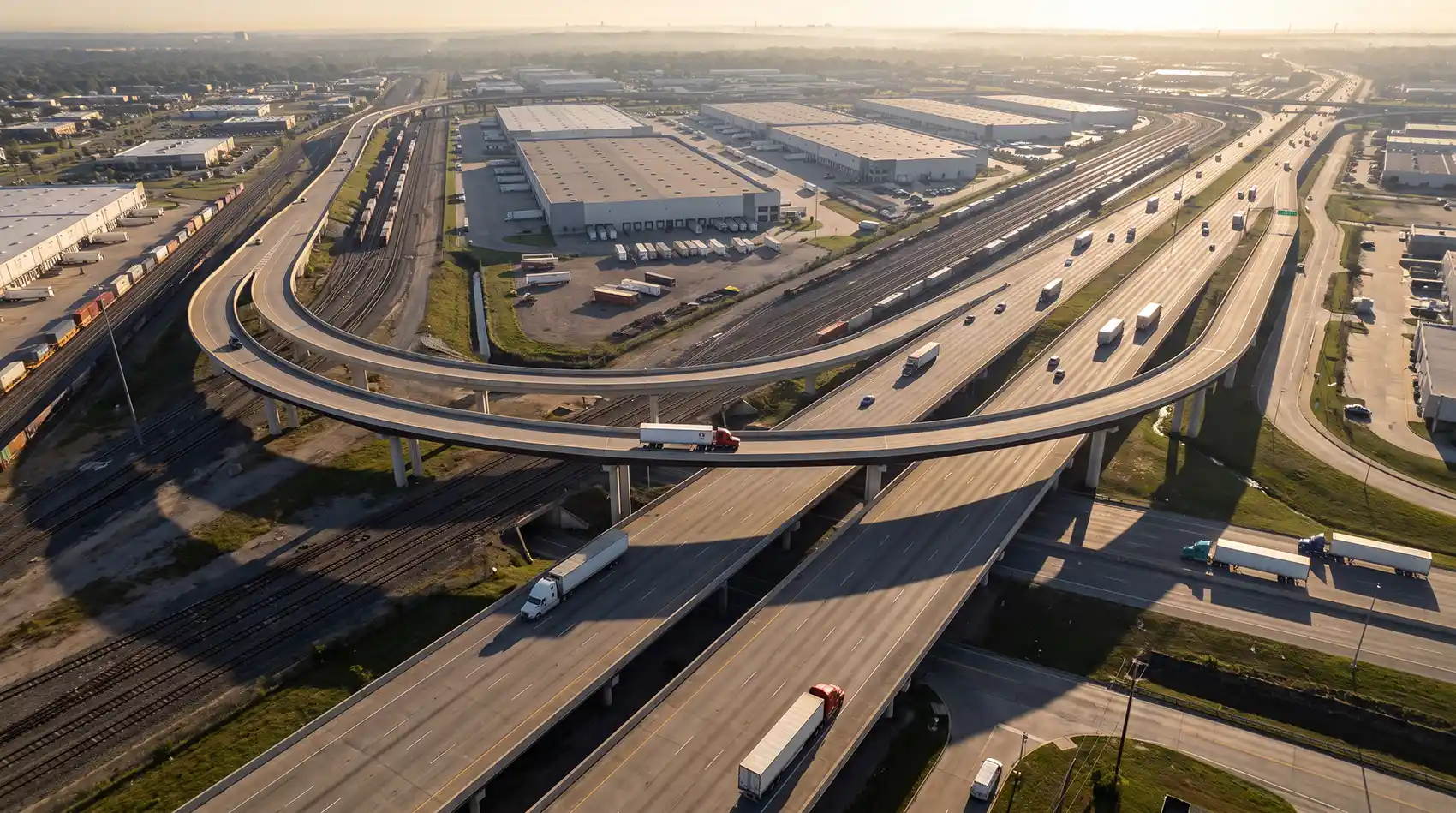
Modern freight hubs increasingly bring road, rail, ocean and warehousing closer together. That physical proximity reduces unnecessary movement, but infrastructure alone does not guarantee a seamless operation. The real advantage comes when schedules, loading processes and operational information are coordinated across the entire site rather than managed as separate activities.
Technology changes how capacity is used
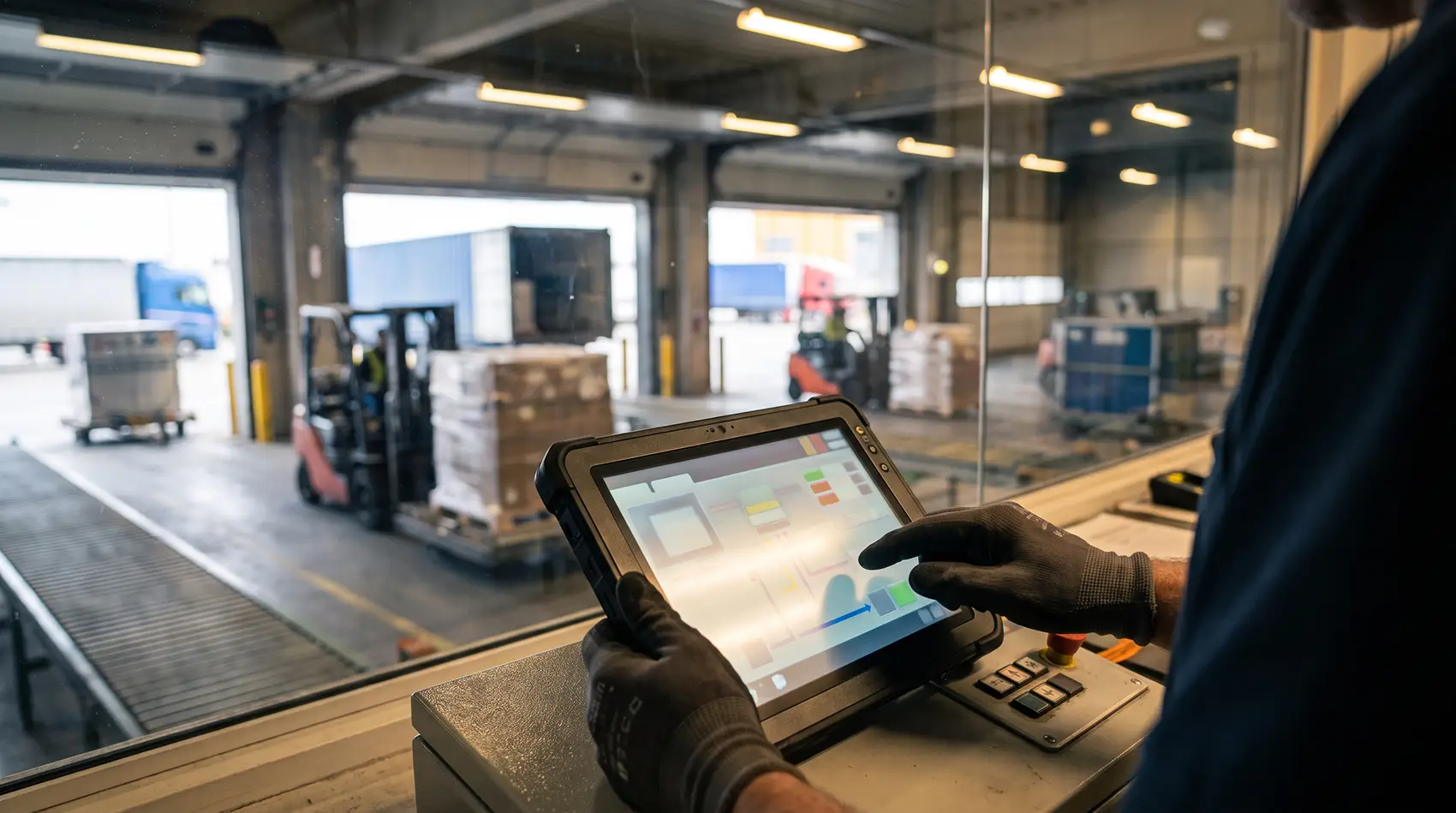
Technology is becoming a major part of this evolution. Automated handling systems, digital yard management and more accurate arrival data allow teams to make better use of limited space and equipment. When operators know what is arriving, where capacity is available and which connection is at risk, they can adjust earlier and keep cargo flowing through the hub.
Infrastructure needs to stay adaptable
The next generation of terminals will also need to be more adaptable. Freight volumes shift, transport capacity changes and disruptions can quickly alter the most efficient route through a network. Hubs designed around flexible processes and shared information can respond more effectively than facilities built around rigid sequences and isolated operating teams.
For logistics providers, this changes the strategic importance of infrastructure. A freight hub is no longer simply a place where shipments stop between two legs of a journey. It becomes part of the intelligence of the network itself, connecting physical movement with operational visibility and giving teams more options when conditions change.
Tell us what needs to move, where it needs to go and when it needs to arrive. We’ll help map the right route.
