Why visibility is becoming the new logistics standard
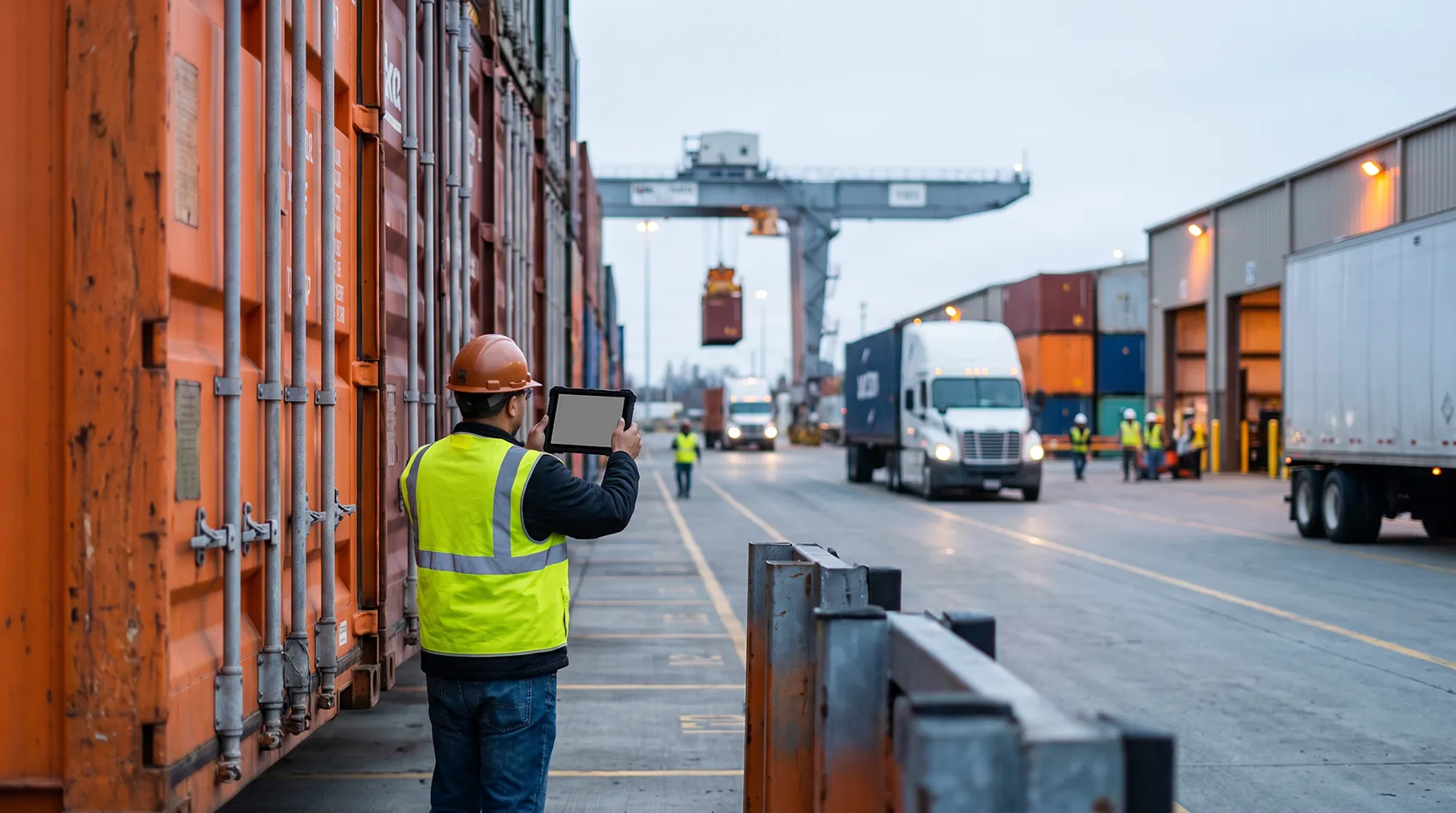
Logistics has always depended on timing, but today timing alone is no longer enough. As supply chains become more distributed and more transport modes are involved, teams need to understand not only where a shipment is, but what is likely to happen next. Visibility is shifting from a reporting function into an operational requirement.
Visibility is becoming an operating standard
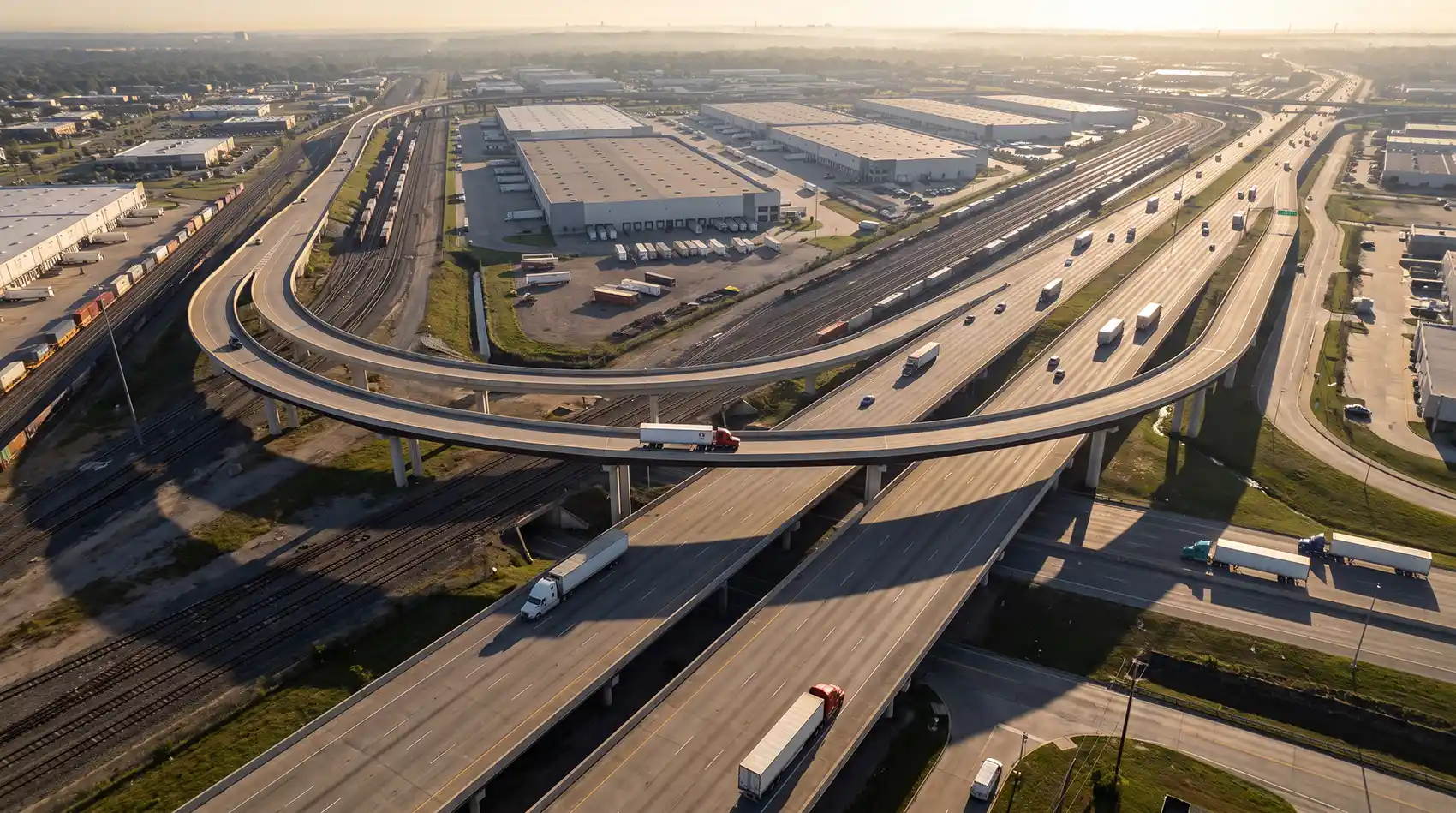
The strongest logistics networks connect information across every handoff. Road carriers, ports, warehouses and air freight providers may all operate with different systems, schedules and priorities, but the customer still experiences the journey as one continuous movement. When these stages remain disconnected, small delays can quickly become larger problems because teams react too late or work from different versions of the same situation.
A shared view of the route
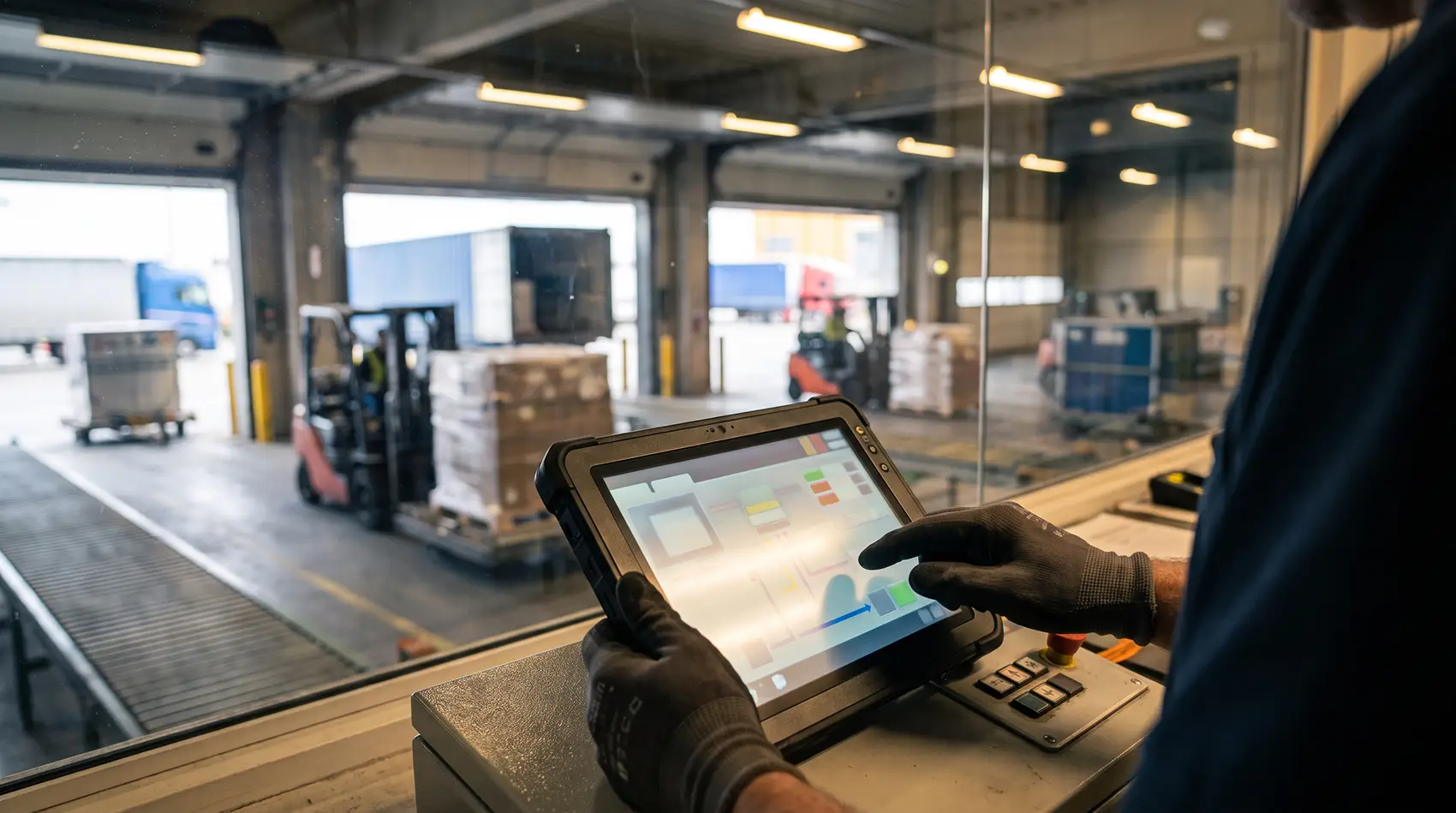
Real-time visibility changes that dynamic by giving operational teams a shared picture of the route. It makes exceptions easier to identify, helps teams coordinate responses and creates clearer accountability when plans change. The value is not simply knowing that something has gone wrong, but having enough context to make the next decision before the disruption spreads through the network.
From information to coordinated action
This is why visibility is increasingly becoming a baseline expectation rather than an optional digital feature. Customers want clearer answers, operators need faster coordination and logistics teams are under pressure to manage more complexity without adding more manual work. The companies that connect operational data with clear ownership are better positioned to keep freight moving when conditions change.
At Rovyn, we see visibility as part of the operating model itself. Information only creates value when it reaches the right people early enough to influence the outcome. The next generation of logistics will therefore be defined not by who collects the most data, but by who turns that data into coordinated action.

Tell us what needs to move, where it needs to go and when it needs to arrive. We’ll help map the right route.
